Nutritional advice can be a real minefield in this day and age, and ‘experts’ often offer conflicting advice.
New fads are regularly pushed and rewarded by the algorithm and it’s hard to know who to trust. The truth is that nutrition plans should be as bespoke and personalised as exercise programmes.
They should take into account your clinical history (especially any interactions with medications, see statins and grapefruit), your lifestyle and your tastes and preferences.
With that said, there are some hard and fast rules that I keep coming back to when working with cardiac patients, and truthfully these are beneficial to just about everyone.
1. Fat is your friend
After decades of being shamed, fat started to make a comeback in the early 2010s. ‘Big sugar’ had been secretly directing the narrative away from the health risks of a high sugar diet towards vilifying fat.
But the truth is, it’s an incredibly important macronutrient for a number of bodily processes, not least cognitive function and hormone production.
From a cardiac perspective, foods high in ‘good fat’ can help protect against coronary artery disease, which affects more than 2 million people on the UK.
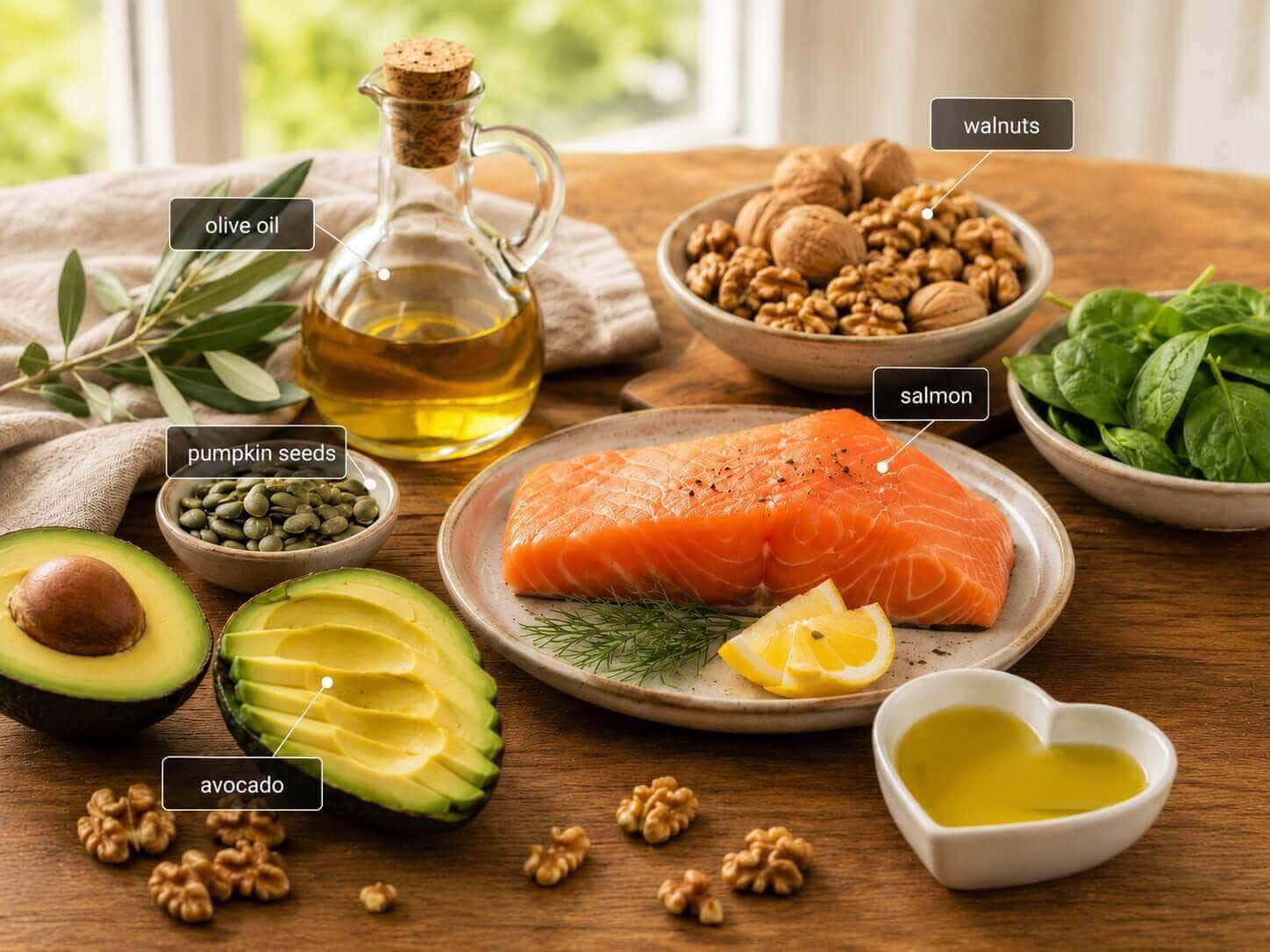
Foods that I regularly recommend include avocadoes, olive oil and oily fish such as salmon.
2. Eat protein (especially if it’s early)
Breakfast really is the most important meal of the day.
Your first meal can affect your focus, energy and satiety throughout the day.
More and more people are moving away from high sugar breakfasts (such as cereal or toast with spread) towards a more savoury, high protein meal.
Foods high in protein take longer for our bodies to break down than those high in carbohydrates, which helps us to feel fuller for longer.
Having a high-protein breakfast helps to reduce mid-morning cravings and avoid the dreaded blood sugar spikes and troughs.
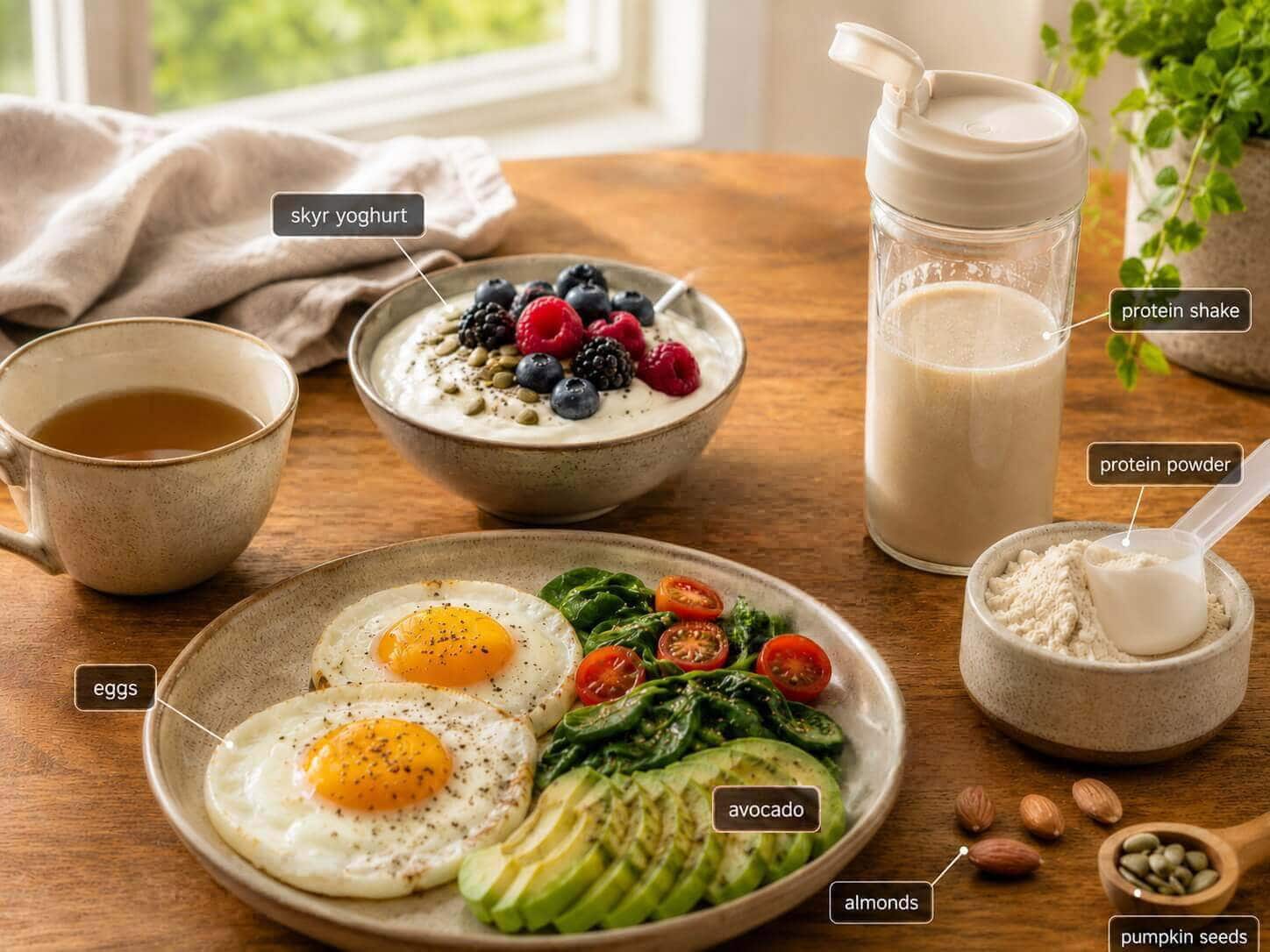
If you’re in the middle of a cardiac rehabilitation programme high in resistance training, you’ll also need the protein to help rebuild your muscle tissue, too. Easy wins include eggs, skyr yoghurt or even simple protein powders.
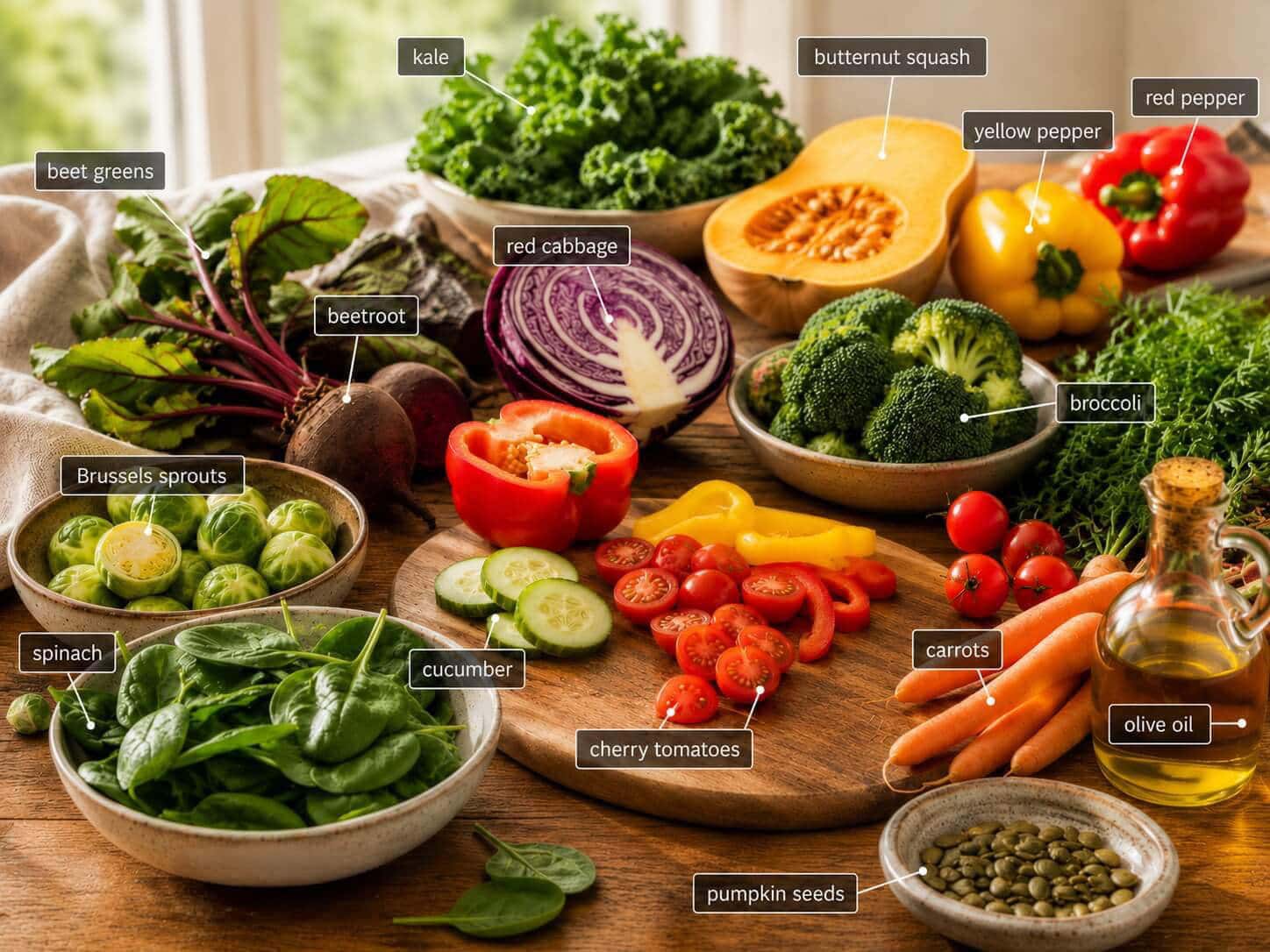
3. Eat your vegetables
As far as public health marketing campaigns go, ‘5-a-day’ is undoubtedly the best (with a doff of the cap to 10,000 steps).
Eating fruits and vegetables is incredibly important for our health. It helps our bodies to fight disease, protects our digestive system and keeps our senses sharp (carrots really do help your eyes, by the way).
But not all fruits and vegetables are created equal. Eating 5 portions of fruit a day is usually a bit too high in sugar, which leads to the spikes I mentioned above, and for some patients we need to be careful with their fibre intake or how much vitamin K is in their diet.
Typically I’d advise aiming for 4 portions of vegetables a day, with some included in every meal.
Try and eat lots of different colours, as this ensures you get a good mix of all the vitamins and minerals we need.
The key things in any diet is making sure it works for you, as consistency is what gets results.
It’s always worth discussing your diet with a professional, as a balanced and healthy diet is your best friend if you’re undergoing cardiac rehabilitation or if you just want to improve your wellbeing.
Small nutritional changes, consistently applied, can have a profound impact on your recovery, your confidence, and your long-term heart health.