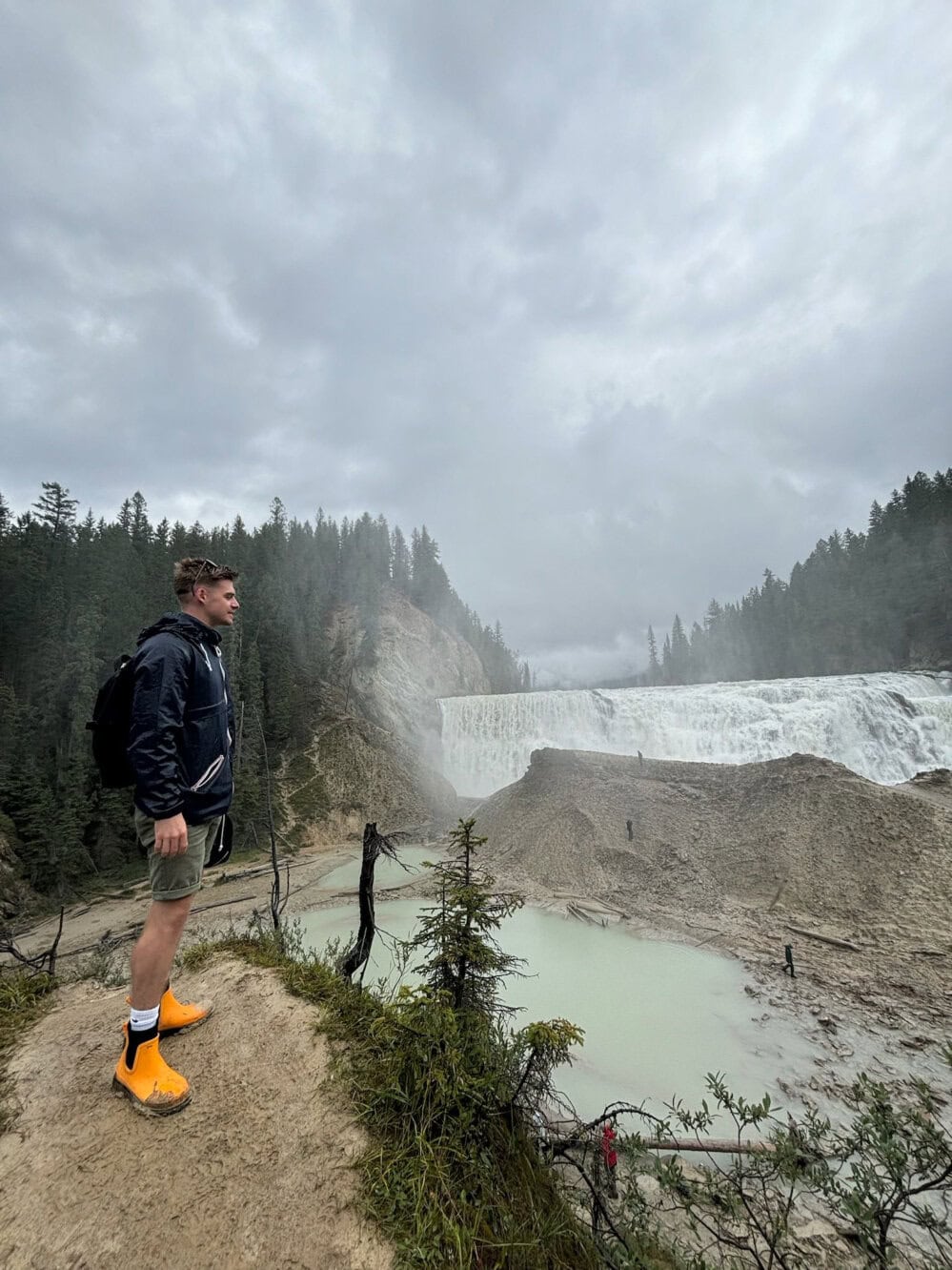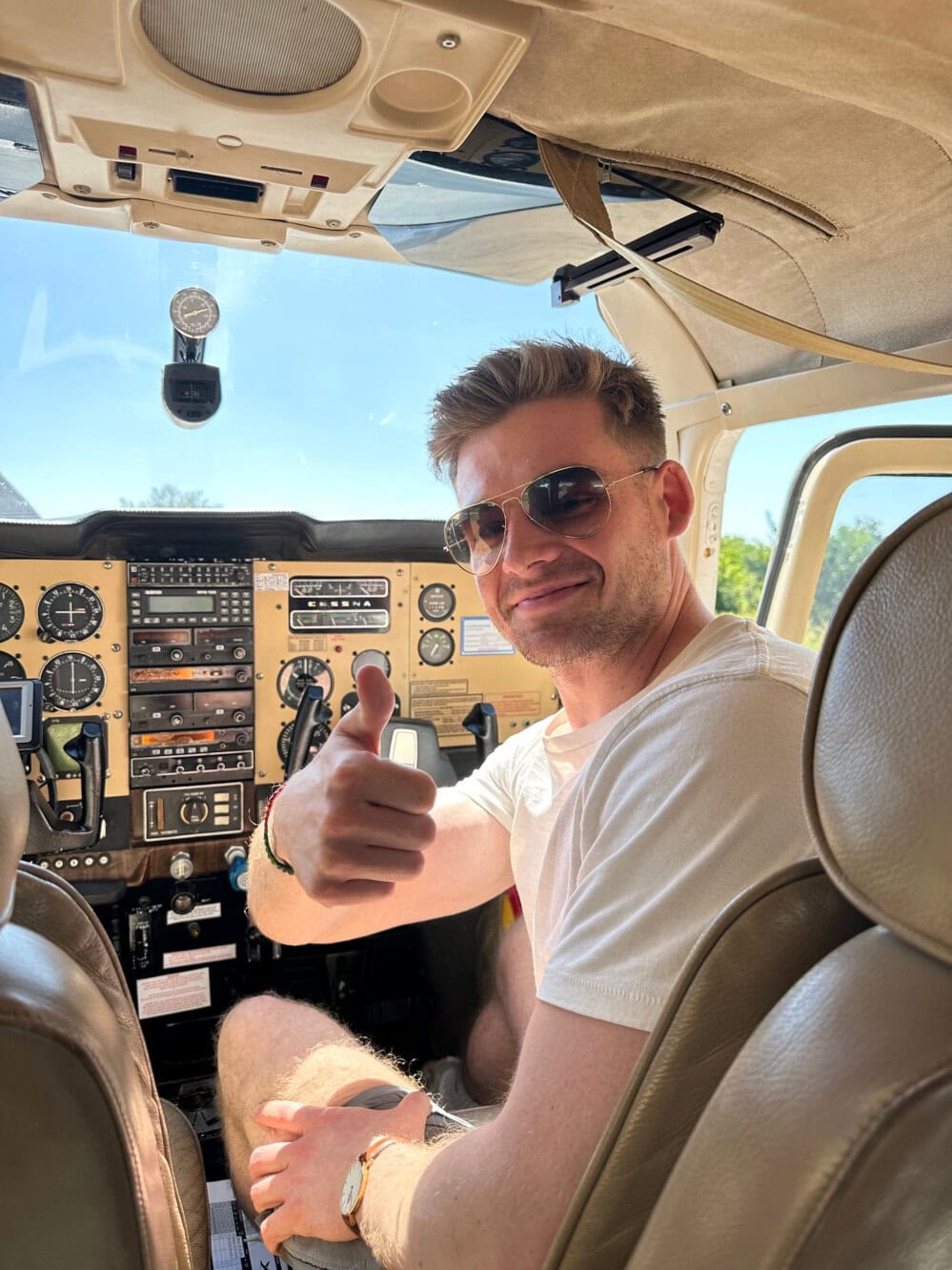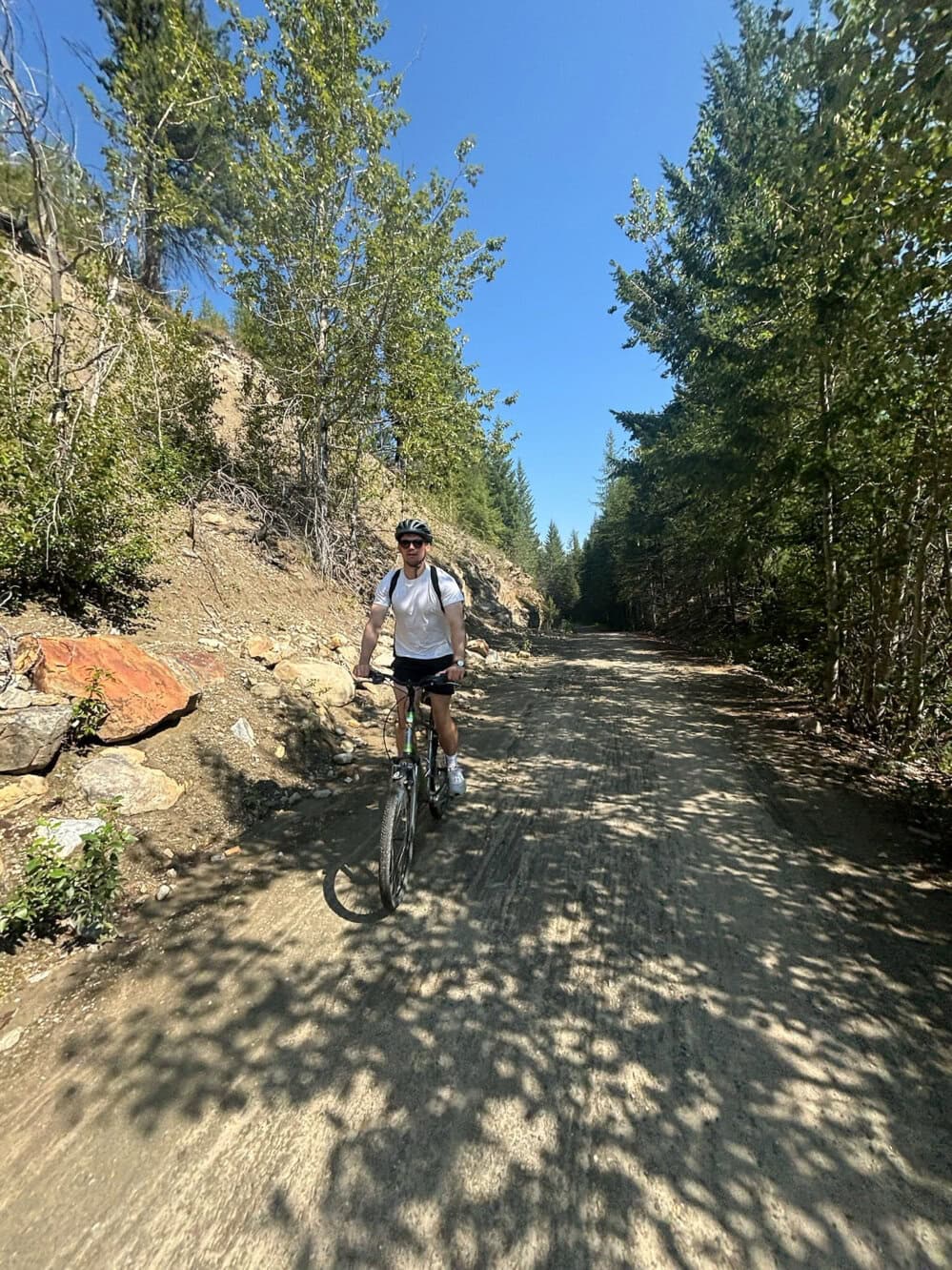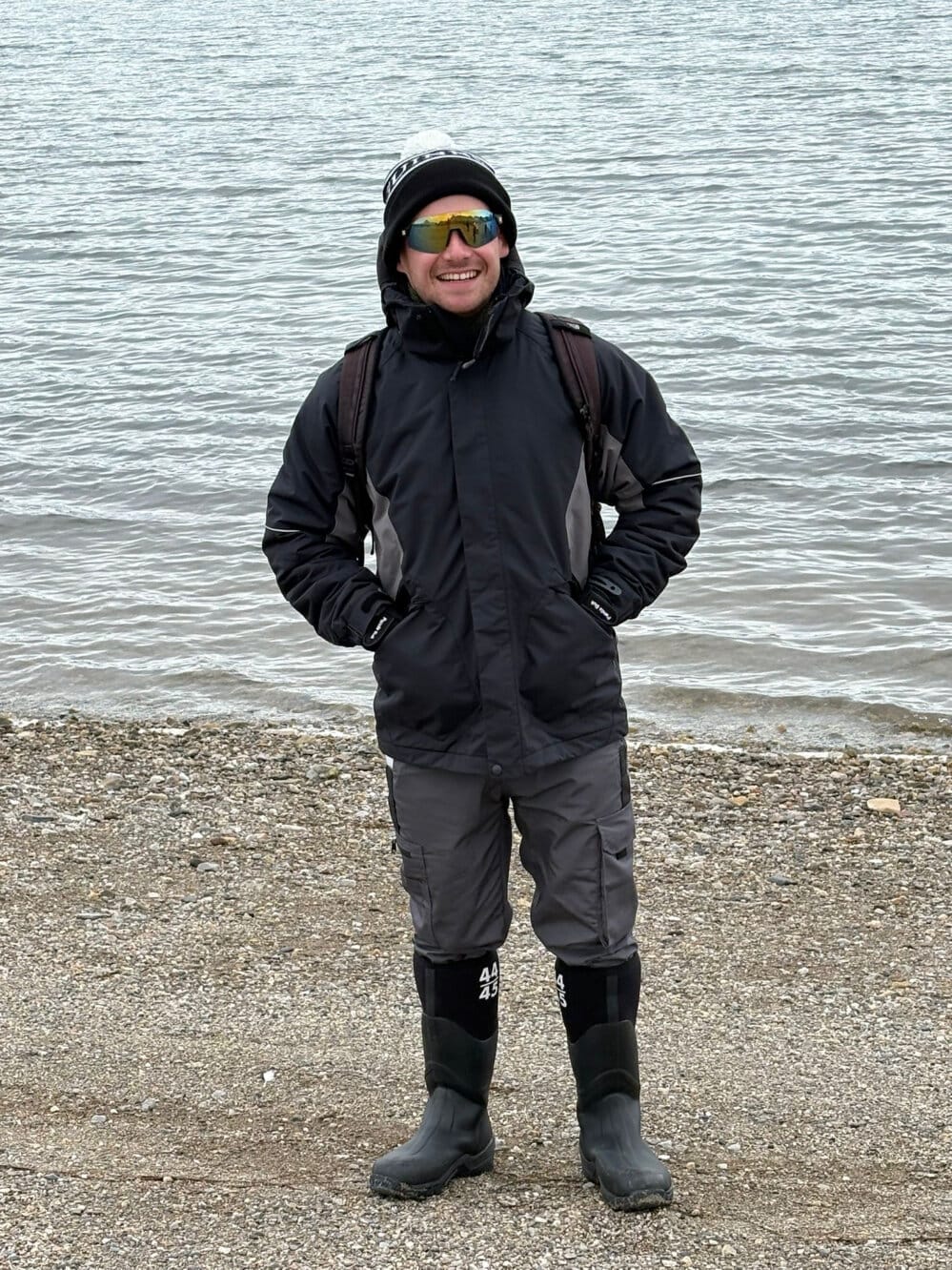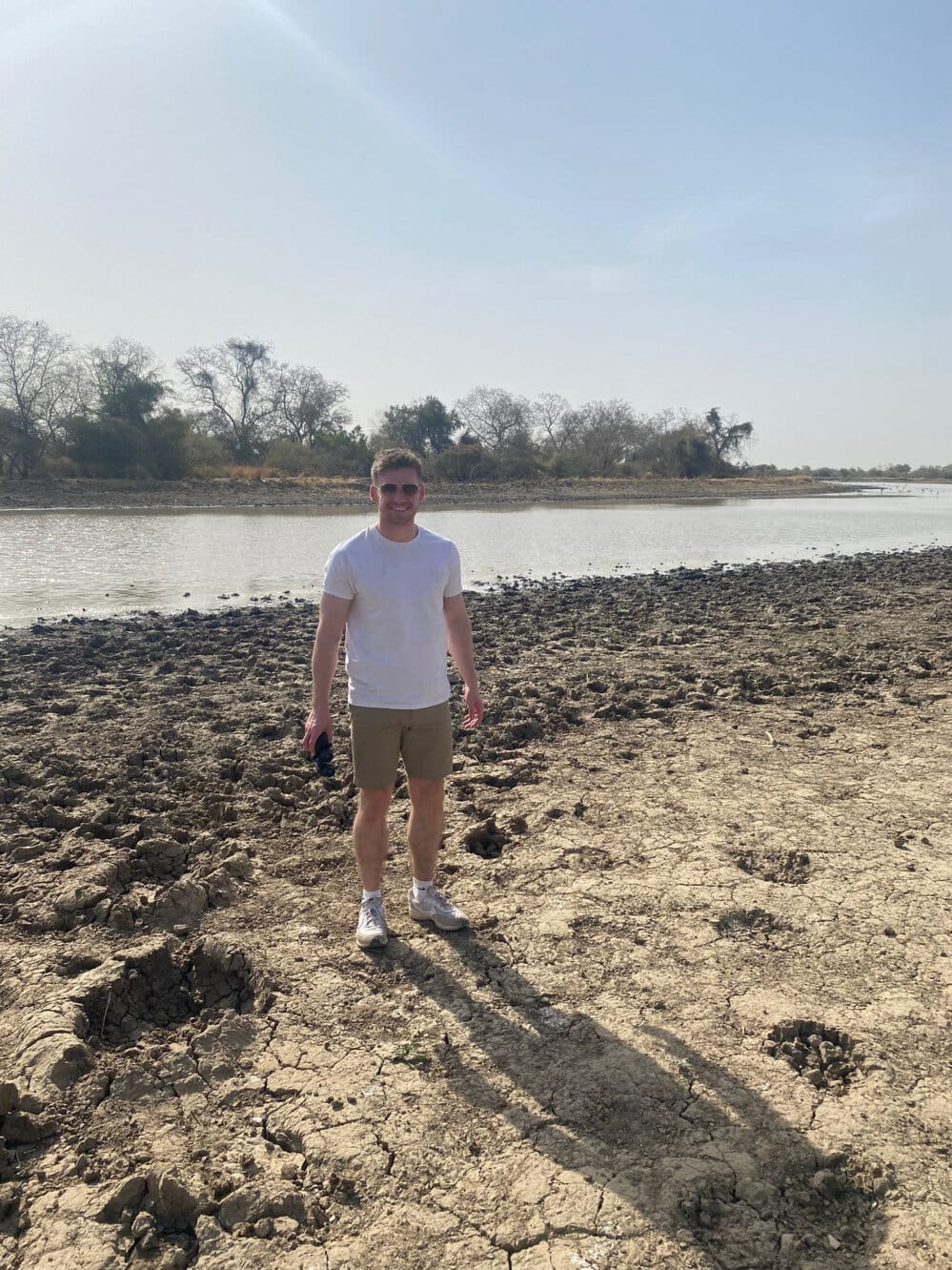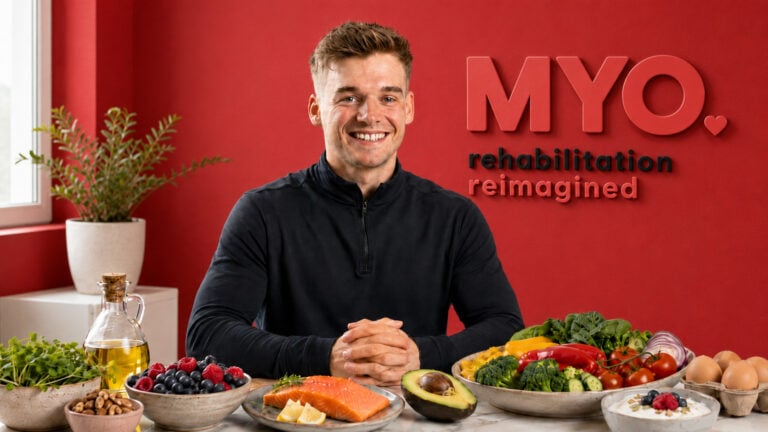

At Myo Rehabilitation, every programme is built around one person: you. But who's the person guiding you through your recovery journey? We sat down with Sam, to learn about his path into cardiac rehabilitation, what drives him, and the person behind the expertise. Meet Sam Howell - Clinical Exercise Physiologist
What drew you into exercise physiology in the first place? Was there a particular moment that set you on this path?
I’ve always loved exercise and was very active growing up – very sporty. But during my school years, I found myself becoming more and more interested in the biology and physiology side of things. I studied Sports and Exercise Science at university, but honestly, I didn’t really know where I wanted to go or how to take it into a career.
As part of my degree, I did a placement year in New Zealand working in public health. I got to try lots of different things, and I really enjoyed that work. It helped me realise I wanted to use exercise science in a way that genuinely helps people’s health.
Then, just before his 21st birthday, my best friend was diagnosed with cancer. That changed everything for me. I started doing lots of research into exercise and cancer treatment – how you can make treatment more comfortable using health and lifestyle interventions.
After that, I looked into different conditions more broadly: cardiac, neurological, and others. When I first started working in that sphere it was very broad, but now I’m focused specifically on the cardiac side of things.
You’ve logged over 8,000 hours of coaching – that’s a lot of time with people at vulnerable moments in their lives. What have those experiences taught you about yourself?
It was a real learning curve. The bulk of those hours were in my 20s and I was working with people who were very, very poorly. It was a different context to a lot of my peers. I was working with people sometimes towards the end of their life, or after they’d had huge physiological and psychological trauma.
I think it gave me great context to life more generally, for me personally. It also taught me the value of the smaller details in rehabilitation and recovery.
When you’re working with people on a one-to-one basis so often and so intimately, you don’t ever really want to leave anything to chance.
You work with people who’ve lost confidence in their body’s ability – it’s as much a mental thing as physical. After someone’s had what a serious cardiac event, what do you see in them that they don’t maybe see in themselves yet?
The tricky thing is that I see people every day, and it’s understanding that they might have never seen anybody who’s had this kind of cardiac surgery. Cardiac surgery can be absolutely brutal, and any kind of cardiac event is a big deal to people. There’s still a real stigma when you hear “heart” or “heart attack” or “heart surgery.” It’s a life event.
But with experience – seeing people and seeing the improvement you can make by taking things step by step, day by day – I hope I can give people confidence that there’s no long-term physiological barrier to them doing anything they want to do in the future.
It’s just about meeting people where they are, painting a picture of where they can go, and helping them understand how to get there safely.
That must be particularly challenging for people in high-pressure jobs who are used to being in control of everything. Suddenly all they can do is recover. How do you help them through that?
Absolutely. You’re essentially giving people hope and a road to recovery, but also a goal – something to achieve. That’s incredibly important, particularly in the early days after surgery when recovery is so focused on just moving without pain for the first two or three weeks.
At that point, I think it’s vital to say: “In a year’s time, this should be a distant memory. There should be no physiological or psychological barrier to you doing anything you want to do in the future, if you’re sensible about things.” Making people aware of that very early on is incredibly important.
When someone’s been through a major shock like that, they recognise they’re not the expert in the room. They have full trust in their surgeon, and that surgeon has full trust in me. That helps.
The key thing is to give someone a framework and a model they’re comfortable with. A lot of business leaders are very keen on KPIs, for example. You can do that for your health – you can adapt it to the kind of language they’re used to and like.
I’ll give them goals to set each week, and if they meet those targets within that framework, that’s a more or less guarantee they’ll get the results they want. They just have to meet their newfound health-related KPIs.
Outside of work, what do you do to look after your own wellbeing?
That’s important because it is quite a stressful job at times – it can be quite emotional.
I’m very active. I love going to the gym, I love any kind of exercise really. I was a football player in a former life before injuries stopped that, but I still love football and watching any sport – rugby, cricket, anything really.
I’ve just bought my first home with my girlfriend, so we’ve been doing some renovations in our spare time. Originally, I’m a farm boy – I grew up on a farm in Lincolnshire – so I love the great outdoors, I love being in nature, I love animals. I’m probably happiest when I’m in fresh air.
And my biggest closet passion, I guess, is that I’m a big bookworm. I’ll typically read one or two books a week on any kind of topic – from physiological science to crime to the classics, anything really. If I’ve got some downtime, I’ll almost certainly be reading.
Who are your heroes, who have shaped the way you show up for others?
Predictably, my mum and dad! My dad’s a farmer, so he taught me the value of hard work. None of the shifts or hours I do will ever compare to a harvest season, so he’s always inspired me.
My mum is a special needs teacher. I think the desire to help others and do a job of service – to live a life of service – probably comes from seeing her work with people who really need the help.
What’s something people would never guess about you?
I’ve read almost all of the works of Tolstoy and James Joyce – I love the Russian classics. People probably wouldn’t realise I’m very much into that!
I’m also a bit of a trivia expert on Bob Dylan. That’s another one people might not expect.
You’ve chosen this path quite early in life. If you weren’t doing clinical exercise physiology, what would you be doing?
If it was away from healthcare entirely, probably teaching. I like being surrounded by people, and some kind of service is always important to me.
If I was staying in healthcare but doing something different, I’d probably look at medicine – particularly cardiac medicine.
But the exercise side of things is where my heart is.