
Leaders at Heart Stress Cracks
Jack from Havio invited Sam Howell (Clinical Exercise Physiologist) to share his insights on how leaders in construction – often focused on looking after everyone else – should also be looking after themselves.
In Health & Safety, we talk a lot about protecting the workforce. But who’s protecting the leaders? People notice when those at the top are running on fumes because their decision-making suffers, communication breaks down, and a culture of overwork can take hold.
Looking after yourself isn’t selfish – it’s leadership by example. Just as you wouldn’t ignore a safety risk on site, you shouldn’t ignore the risks in yourself. Prevention isn’t complicated. Consistent changes can protect your health, your family, and your business.
If you want to lead well, make good calls, and stay resilient, your health is non-negotiable. Teams respect leaders who walk the talk.
Sam, you’ve worked in cardiac prevention and rehab for years – when you meet someone in a high-stress leadership role, what are the first signs that their heart health might be at risk?
The first thing I’d say is that anyone can have quite advanced heart disease or risk factors and be completely unaware. I’ve seen people with what we’d typically call “healthy lifestyles” who actually had serious, advanced disease with no symptoms at all.
In a high-stress environment – poor sleep, poor diet, little time to exercise – the risk is multiplied. That’s why the first and most important step is simple: get checked. You never really know otherwise.
We talk a lot in construction about looking after the workforce. But who’s looking after the leaders themselves? Do you see that gap in your work?
Yes, absolutely. I’ve worked with many people who were incredibly successful professionally, high-flying in their careers, but neglected their health for years. Eventually, that lifestyle caught up with them.
My work is ideally about prevention – building habits to avoid those risks creeping in – but often I also end up helping people rebuild after a cardiac event, which is a much harder road.
Stress is part of the job for most directors and project leads – but what does it actually do to the heart over time?
Stress has direct effects – it raises blood pressure and increases the risk of cardiac disease. It also has knock-on effects which will also harm your cardiac health: poor sleep, poor food choices, skipping exercise. Those secondary habits compound the damage.
Is it the big crises that matter, or the constant low-level grind of stress day after day?
Both. The big crisis is often the straw that breaks the camel’s back after years of neglect. But sometimes there’s no obvious warning at all, and then suddenly there’s a major event because of an underlying cause – family history, genetics, or something hidden.
Which is why I come back to the same point: get yourself checked so you know where you stand.
Can you share a story of someone who thought they were coping fine – until they weren’t?
Yes, and it’s a common story. I’m currently working with a senior manager who seemed to have excellent lifestyle habits: good exercise, good sleep, good diet. Very successful professionally. But he’d never had a cardiac check-up, and he had a major cardiac event seemingly out of the blue.
When we looked deeper, we found his exercise routine – lots of HIIT training – was actually spiking cortisol, the stress hormone he already had too much of. So the habits he thought were protecting him were actually harming him.
It shows why individualised advice matters – surface-level “healthy” routines aren’t always right for your heart.
If a construction leader came to you and said, “I’ve got no time, what’s one thing I can do this week that makes a real difference?”, what would you tell them?
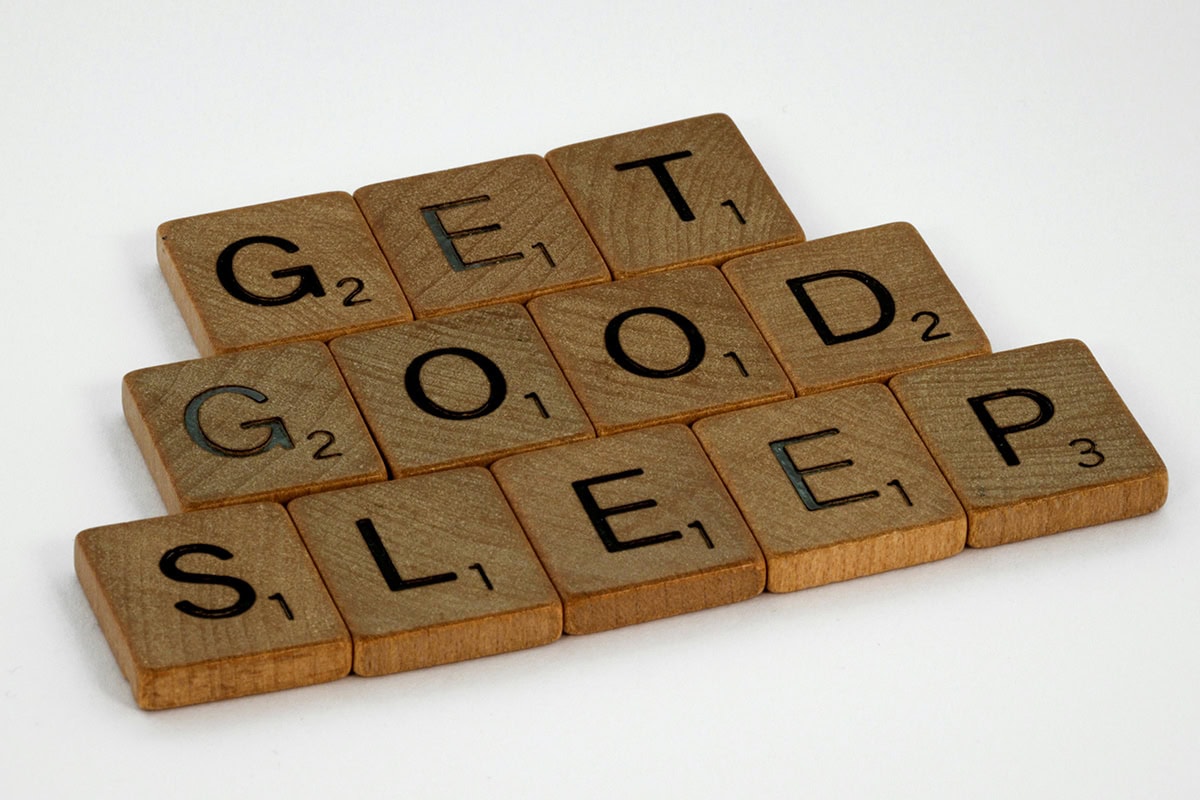
Sleep. If you can get up to 7-9 hours, that’s the single biggest thing you can do. If that feels impossible, then at least increase your water intake to two litres a day.
Sleep often gets sacrificed – how does poor sleep tie into heart health, and what’s one easy change leaders can make without overhauling their whole life?
Sleep is incredibly powerful. One striking example: when the clocks go back and everyone gets one extra hour of sleep, heart attack rates drop the next day. When the clocks go forward and we lose an hour, heart attack rates spike. That’s how direct the link is. The simplest change? Keep consistent bed and wake-up times.
Convenience foods and caffeine are survival tools on site. What’s one small change that reduces risk without needing a diet plan?
Consistency is key with diet, but if I had to pick one swap, I’d say reduce your salt intake. That alone makes a big difference to long-term risk.
Beyond quick fixes, what longer-term habits do you see as game-changers for heart health in leaders?
There are four factors I’d point to:
- Work to improve your sleep pattern long-term
- Prioritise a healthy diet – low salt, low ultra-processed food.
- Do targeted resistance or weight training.
- Get moderate to high-intensity cardiovascular exercise at least twice a week.
How do you help people build these habits without it feeling like a whole extra job on top of an already busy life?
It’s about being realistic. Habits have to be sustainable for years, not weeks. That means consistency, patience, and flexibility. I work with each individual to build around their actual lifestyle – job pressures, family commitments, what they enjoy – so the changes stick long-term.
In Health & Safety we say prevention is better than cure – is heart health the same?
Definitely. Everyone I’ve worked with who’s had major cardiac surgery has said they wished they’d acted earlier. Open-heart surgery is brutal – your sternum is literally sawn open. Recovery takes months, and during that time your life stops. You can’t work, you’re in pain, your only focus is recovery. Prevention is a far easier road.
What would you say to a leader who thinks, “It won’t happen to me”?
That’s a very dangerous mindset. I’ve worked with people aged 17 to 95, with every lifestyle imaginable. Heart disease doesn’t discriminate. Yes, you can control certain risk factors, but nobody’s immune. Which is why my advice is always: get checked. You don’t know what’s going on inside until you do.
Leaders are responsible for everyone else’s wellbeing – what happens when they ignore their own?
Good leaders usually have the best intentions, but the most helpful thing they can do is set an example. Look after your own health first. Think of Lincoln’s quote: “Give me six hours to chop down a tree and I will spend the first four sharpening the axe.” Health is preparation. When leaders take care of themselves, they make better decisions, have more energy, and create a healthier culture.
If you could leave construction leaders with one message about heart health and leadership, what would it be?
I’ll say it again: get yourself checked. Heart health can be invisible. None of us know the true state of our heart until we test it, and you’ll regret not doing it if you end up in a crisis that could have been prevented.